10+ years, 500+ Shopify store owners, and countless successful projects—I'm a top-rated Shopify expert dedicated to helping brands improve their store's conversion, speed, functionality, and aesthetics. As the longest-serving developer at Shopexperts (formerly HeyCarson), I've built my reputation on meticulous attention to detail, reliability, and unwavering commitment to client success. My work speaks for itself —check out reviews from past clients who can attest to my dedication and results-driven approach.
Conversion-Focused Shopify Product Page Design
When traffic reaches your product pages and stops there, the logo and homepage are rarely to blame. The screens closest to the sale are: the product page, the cart drawer and the step into checkout. Shopify product page design is where most conversion-focused projects start, because that's where shoppers decide.
This work is page-level and tied to a number, such as add-to-cart rate, cart abandonment or average order value. It isn't a full storefront redesign, which is theme design, or site-wide user research, which is UX/UI design. It also isn't running the testing programme itself, though a good conversion designer hands you variants that are ready to test.
As of September 2026, seven specialists offer this service on shopexperts: six agencies and one freelancer, five of them in the US. All seven publish a starting price. Compare their work below or request a quote for your product page.
Top-rated Shopify conversion-focused designers
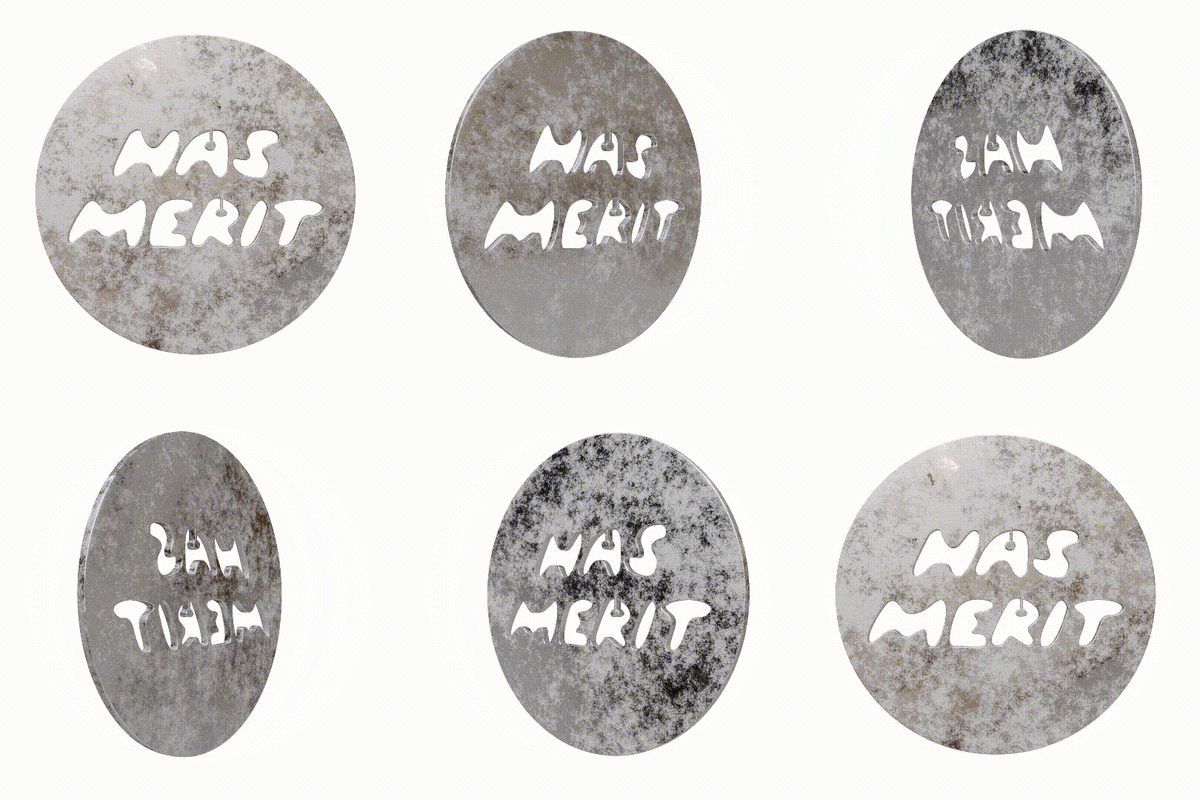
HAS MERIT is a studio crafting conversion-driven Shopify storefronts and building brands for ambitious companies. We design and develop polished sites that feel like real brands (not quick templates) and back them with brand identity systems that create lasting recognition. From strategy to branding to design to development, everything’s done in-house for a seamless process. We’re a great fit for brands seeking personalized brand design paired with thoughtful conversion strategy, without the agency fluff or freelance hit-or-miss. Building Digital Storefronts: Personalised Design - tailored layouts built to sell, not just look good. Custom Development - beyond just templates, crafted solutions for your brand. Conversion Optimisation - auditing and smarter UI/UX so you don’t leave money on the table. Brand & Identity Design - constructing a brand that stands out and connects. Seamless Integrations - payments, shipping, and tools connected without friction. We just helped an FMCG brand increase conversions by 56% and increased net sale by 86% within 30 days by tweaking their existing page. Female-founded by a designer/developer with experience across brands of all sizes, partnered with a commercial lead from top global CPGs and agencies, we blend design, strategy, and business insight to help brands stand out and scale. Our clients have been featured in Forbes, Vogue, Allure, mindbodygreen, Whole Foods and more
Let us match you with the right Shopify expert for your needs.
Share your project details, and we'll handpick the best matches from our Shopify expert directory.
I help Shopify brands launch, scale, and optimize their online stores through custom theme development, advanced section builds, and seamless app integrations like subscriptions. With 8 years of hands-on Shopify experience and over a decade in tech, I deliver reliable, conversion-focused solutions that are easy to maintain as your business grows.
Klay Create is led by Yassine, a Shopify expert and product-focused builder with hands-on experience across strategy, development, and growth for DTC brands. With a strong background in Shopify theme development, CRO, and scalable eCommerce systems, Yassine works closely with brands to translate vision into high-performing storefronts that are built to convert and scale. Our team covers the full Shopify stack, from branding and UI/UX to custom theme development, CRO, and growth systems. We work with modern Shopify themes and custom builds, and we integrate best-in-class tools across email marketing, subscriptions, reviews, upsells, and analytics. Our tech stack includes Shopify (Online Store 2.0), custom Liquid and JavaScript development, Klaviyo, Recharge, Yotpo / Judge.me, ReConvert, AfterShip, Gorgias, and performance and analytics tools to support scalable growth. Currently based in Southeast Asia, Klay Create operates as a fully remote studio and is available during U.S. business hours, ensuring smooth communication, real-time collaboration, and reliable ongoing support for North American brands.
I've been a Shopify developer for nearly 15 years. I've grown with the platform and have handled some amazing clients and projects. I'm a full-stack developer and have the skillset to handle any issue; or help you plan and grow.
Tomorrow belongs to the brands who build for it. Domani is a consulting agency built by partners who have owned and scaled e-commerce brands for over a decade. We specialize in launching, scaling, and optimizing high-performing Shopify stores with a focus on clarity, speed, and tangible impact. We partner with ambitious DTC and B2B brands to build high-performing Shopify experiences rooted in operational efficiency. Whether we are optimizing your UX, mapping complex customer journeys, or automating back-end workflows, our goal is simple: building the Shopify foundation for tomorrow’s growth. Core Expertise: Design & UX: Conversion-focused theme optimization. Retention: Advanced Klaviyo lifecycle and retention programs. Systems: Seamless POS, B2B, and third-party app integrations. Automation: Workflow streamlining to help your team move faster.
Digital Flagship is an ecommerce design and development partner for brands shaping what’s next, from startups to Olympic athletes and billion dollar enterprises. We craft Shopify storefronts that bring structure, clarity, and momentum, partnering closely from launch through ongoing refinement to help you rise above the current.
How to hire a conversion design specialist
Start from a metric, not a mood board. Before anyone quotes, pull three numbers from Shopify analytics: sessions that added to cart, reached checkout and converted, split by mobile and desktop. A conversion designer should ask for them in the first call. If they don't, they're planning to design to taste.
Ask for before-and-after pages with the reasoning. Screens alone tell you little. You want to hear why the delivery estimate moved above the button, or why the size guide became a drawer. The reasoning shows whether they understand shopper hesitation or just tidied the layout.
Check they've designed for a catalogue like yours. A single-product skincare brand and a furniture store with fabric swatches and lead times are different problems. Ask for work at a similar variant count and price point. High-ticket products need more reassurance on the page; impulse buys need less in the way.
Agree what "done" means. The deliverable should include mobile layouts, every variant and stock state, and notes on what can be tested. Ask whether they can split the design into separate changes rather than one big release. One big release makes it impossible to tell which change did the work.
Ask who builds it. Conversion changes usually go into the theme you already run. Confirm whether the designer implements them, hands specs to your developer, or expects your team to make theme-editor changes. Each option changes the timeline and the price.
Red flags. Guaranteed percentage lifts. Case studies that quote a conversion rate with no baseline or timeframe. And a proposal to redesign your homepage when your analytics show shoppers leaving from the product page.
Shopify product page design: five elements and who can fix them
Five elements do most of the work on a Shopify product page. Some are theme settings a designer can change in an afternoon. Others need code.
The first mobile screen. On a phone, shoppers should see the product image, name, price and a way to add to cart without scrolling past a banner or a strip of trust badges. Most current themes let you reorder product page blocks in the theme editor, so this is often a same-day fix.
Variant selection. Dropdowns hide options; buttons and swatches show them. Many themes offer both styles in the variant picker settings. Colour swatches driven by product data, or showing which sizes are sold out before a shopper picks one, may need theme support or a developer.
Delivery and returns. Shoppers want the delivery estimate and returns window before they commit, not in the footer. A collapsible row with plain text is a theme-editor job. A dynamic dispatch countdown is developer or app work.
Reviews placement. A star rating near the title and full reviews further down is the common pattern. A designer can place them without code if your reviews app provides theme blocks.
Sticky add-to-cart. On long mobile pages, a bar that keeps the button in reach earns its space. Some themes include it as a setting; others need custom code, so check before a designer draws one.
A good conversion designer marks every change in the file as theme setting, app setting or developer task. That split is what turns a redesign into a week of work or a month of it.

How much does product page design cost?
Conversion design is usually sold as a defined page or flow, or as a retainer that runs alongside testing. Typical market ranges:
Product page redesign
$2,000 – $10,000
Template design, mobile states, build specs
Cart and upsell flows
$1,500 – $8,000
Cart drawer, cross-sell, free-shipping logic
Monthly retainer
$3,000 – $12,000
Ongoing design paired with testing
A single product template with mobile, variant and stock states plus build specs sits at the lower end of the product page range. Several templates for different product types, sections your theme lacks, or rich content such as fit guides push it higher. Cart pricing follows the logic involved: a free-shipping progress bar is simple, cross-sell rules by collection are not.
A retainer only pays off when someone is measuring the output. On shopexperts, all seven specialists publish a starting price, from $65 to $2,500, with a median of $680 (September 2026). Treat those as entry points for a defined fix, not a full project. Send your product page URL and its mobile conversion rate to get a quote.
What conversion-focused designers work on
Projects usually centre on the last three or four screens before payment:
Product page templates
Gallery, variant picker, pricing and buy box
Mobile buy box
First-screen layout and sticky add-to-cart
Cart drawer
Order summary, free-shipping threshold and cross-sells
Trust and delivery details
Returns, dispatch times and reviews placement
Collection-to-product flow
Product card content, quick view and filters
Test-ready variants
Design alternatives packaged for A/B testing
Frequently asked questions about conversion focused web design
It's design where every decision answers to a number. A general web designer starts from the brand and the look; a conversion designer starts from where shoppers drop off and designs to remove the reason. The output differs too. Instead of a finished site, you get specific changes to product, cart and collection pages, each tied to a metric and ready to measure. Good ecommerce product page design usually comes out of that discipline rather than a visual brief.
Only partly. On most Shopify plans, checkout design is limited to branding settings, such as logo, colours and fonts, and to content on the thank-you and order status pages. Deeper changes to the checkout interface need Shopify Plus. That's why conversion designers focus on the cart: it's the last page you fully control, so delivery costs, delivery dates and payment options should be clear there, before the shopper reaches a step you can't redesign.
No. Shopify lets you create alternate product templates in the theme editor and assign them product by product. Common splits are hero products with long-form content, standard products, bundles, and made-to-order items that need lead times on the page. Each extra template adds design and maintenance cost, so most stores do well with two or three. Ask the designer to justify every template beyond the first.
No. A/B tests need enough traffic to reach a reliable answer, and many stores don't have it on a single product page. Without that traffic, use usability testing and compare before-and-after periods carefully. With it, pair the design work with an A/B testing specialist so each change is measured. The design process is the same either way; only the way you judge it changes.
Longer than most owners want to wait. Compare at least a few full weeks against the same period before the change, and check nothing else moved at the same time: a new ad campaign, a sale, a price change or a seasonal peak can each swamp the effect of a layout change. A few days of data is noise. On low traffic, watch add-to-cart rate first, because there are more add-to-cart events than orders to read a signal from.
The designer should set the requirements: which angles, what aspect ratio, how many lifestyle versus plain-background images, and whether you need scale or detail shots. They won't usually shoot it. Photography is a separate hire, and worth budgeting for, because weak images cap what any layout can do. A consistent aspect ratio alone fixes a lot of jumpy product galleries on mobile.